
Urinary urgency, frequent urination, and nighttime bathroom trips are extremely common problems among older men, especially those over age 50. Many men silently struggle with these symptoms for years, assuming that frequent urination or leakage is simply a normal part of aging.
In reality, these symptoms often indicate treatable bladder dysfunction or pelvic floor weakness. With the right evaluation and a targeted treatment plan, many men can significantly reduce urinary urgency, improve bladder control, and regain confidence in their daily lives.
Our national bladder health program, with a strong focus on Florida patients, specializes in non-surgical treatments for urinary urgency, urinary frequency, nocturia, and bladder leakage in men.

These symptoms are not a normal part of aging. With the right treatment, most men see significant improvement.
Unlike basic symptom management, our approach focuses on identifying the root cause of bladder dysfunction and restoring healthy bladder and pelvic floor function.
We begin with a detailed clinical assessment to determine the underlying cause of urinary symptoms. This may include:
Many men are surprised to learn that normal bladder habits can be retrained. We provide guidance on:
Each patient receives an individualized program designed to reduce urinary urgency, frequent urination, nocturia, and urinary leakage. Treatment plans are tailored based on each patient’s health history, lifestyle, and pelvic floor function.
Our therapy programs use a multimodal approach proven to improve bladder control.
Strengthening the pelvic floor muscles helps support bladder function and improve urinary control.
Biofeedback technology helps patients learn how to properly engage the pelvic floor muscles by providing real-time feedback during exercises. This improves training efficiency and helps patients gain control faster.
Gentle neuromuscular electrical stimulation can activate weakened pelvic muscles and restore proper bladder signaling. This therapy is commonly used for overactive bladder and urinary incontinence.
Bladder training techniques help patients gradually increase the time between urination and improve overall bladder capacity.
Certain dietary habits and fluids can worsen bladder symptoms. Our specialists provide guidance on:
The ultimate goal of treatment is to help men return to a normal, active lifestyle without constant concern about bladder symptoms. Successful treatment allows patients to:
Most importantly, patients regain their freedom and quality of life.
Overactive bladder is a condition characterized by a sudden, difficult-to-control urge to urinate, often accompanied by frequent urination and nocturia. In some cases, it also involves urinary leakage. It is a treatable condition, not simply a normal part of aging.
Waking once during the night to urinate can be normal for some men, but waking two or more times is often a sign of nocturia, which may be related to bladder dysfunction or pelvic floor issues. Treatment can help reduce nighttime trips to the bathroom.
Yes. Many men experience significant improvement through non-surgical approaches such as pelvic floor therapy, biofeedback, bladder retraining, and lifestyle modifications. Our program is specifically designed to address the root cause without the need for surgery.
The pelvic floor muscles support the bladder and help regulate urination. When these muscles are weak or poorly coordinated, bladder control is affected. Targeted exercises and therapy can strengthen and retrain these muscles, reducing urgency and leakage.
Biofeedback uses sensors to provide real-time visual or audio feedback about muscle activity. It helps patients learn to properly engage and relax the pelvic floor muscles, making therapy more effective and helping patients progress faster.
Certain drinks, including caffeine and alcohol, can irritate the bladder and worsen urgency symptoms. Our specialists will provide personalized dietary guidance to help you manage symptoms while maintaining a lifestyle that works for you.
Many patients begin noticing improvement within a few weeks of starting treatment. The full length of a program depends on the severity of symptoms and the individual’s response to therapy. A customized plan will be developed based on your specific needs.
Absolutely. Reducing fluid intake may seem like a logical solution, but it can actually worsen bladder irritation and increase the risk of UTIs and dehydration. Proper hydration, combined with bladder training strategies, is an important part of treatment.
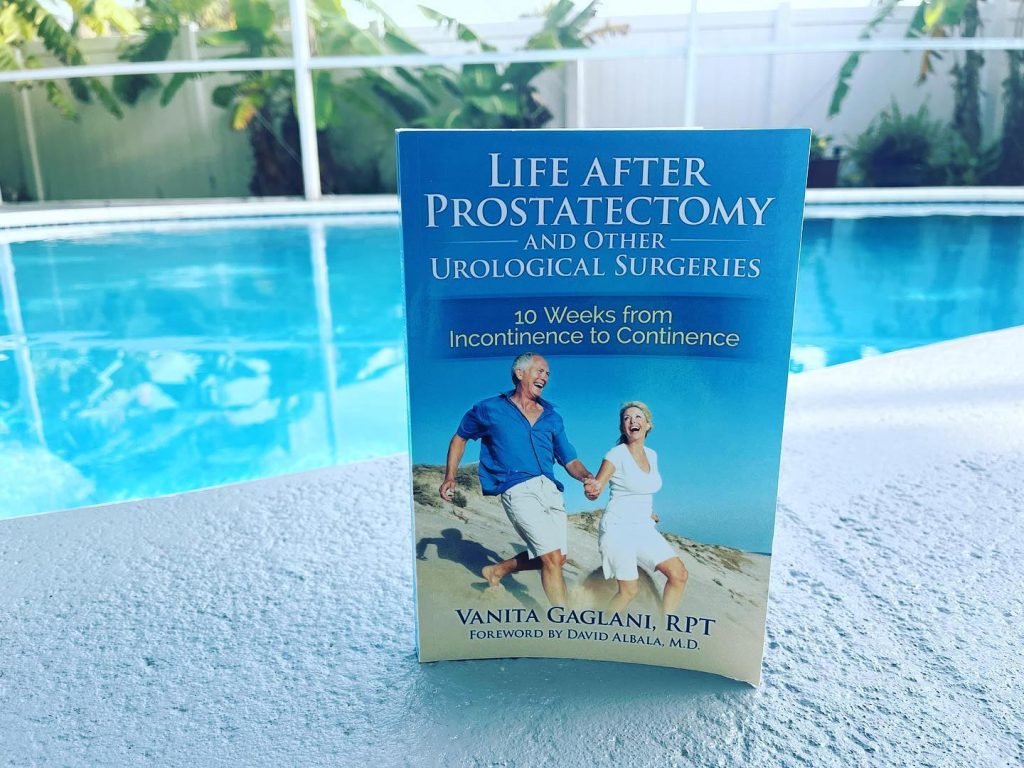
Vanita wrote the book, Life after Prostatectomy and Other Urological Surgeries: 10 Weeks from Incontinence to Continence, which is available on Amazon and has helped thousands of patients and their loved ones learn how to overcome incontinence & leakage. In order to help even more people, she is working on follow-up books as well as a video series that explains her treatment methods.