
Prostatitis is a common condition affecting men that involves inflammation of the prostate gland. The prostate is a small gland located below the bladder that plays an important role in male reproductive health.
When the prostate becomes inflamed or irritated, it can cause a variety of uncomfortable symptoms, including pelvic pain, painful urination, urinary frequency, and sexual discomfort.
Effective treatment of prostatitis requires a comprehensive and individualized approach. Our goal is not only to relieve symptoms but also to address the underlying causes of pelvic pain and urinary dysfunction.

Because prostatitis symptoms can overlap with other urinary and pelvic disorders, a comprehensive medical evaluation is important to determine the exact cause.
Effective treatment of prostatitis requires a comprehensive and individualized approach. Our goal is not only to relieve symptoms but also to address the underlying causes of pelvic pain and urinary dysfunction.
Every patient receives a detailed assessment to determine the source of symptoms. This evaluation helps identify contributing factors such as:
Based on this evaluation, a customized treatment plan is created to address each patient’s unique condition.
Our treatment program combines several evidence-based therapies designed to reduce inflammation, relieve muscle tension, and restore healthy bladder function.
Pelvic floor dysfunction often contributes to prostatitis symptoms. Targeted therapy helps restore proper muscle coordination and reduce tension.
Manual therapy techniques help release tight muscles in the pelvis, abdomen, and hips that may be contributing to pelvic pain.
Trigger points can form in the pelvic muscles and surrounding tissues. Treatment may include:
Gentle electrical stimulation can help relax pelvic floor muscles and improve muscle coordination.
Biofeedback helps patients learn how to control and relax pelvic floor muscles, improving bladder function and reducing pain.
Certain foods and beverages can irritate the bladder and prostate. Nutritional guidance may help reduce inflammation and ease urinary symptoms.
Unlike standard Kegel training, prostatitis treatment often focuses on learning how to relax the pelvic floor muscles, which may be overly tight or strained.
Stress and chronic muscle tension can worsen pelvic pain. Treatment may also include:
The primary goals of treatment include:
With the right treatment plan, many men experience significant relief from prostatitis symptoms and are able to return to their normal daily activities.
Prostatitis can be caused by bacterial infections, pelvic floor muscle dysfunction, nerve irritation, inflammation, or chronic pelvic pain syndrome. A thorough evaluation is the best way to determine the specific cause and guide treatment.
Yes. Prostatitis and prostate inflammation are more common in middle-aged and older men, though younger men can also develop symptoms. It is one of the most common urological conditions in men under 50.
Yes. Pelvic floor therapy is often very effective because many prostatitis symptoms are linked to pelvic muscle tension or dysfunction. Addressing these muscle imbalances can lead to significant relief.
Treatment duration varies depending on the cause and severity of symptoms. Some patients improve within a few weeks, while chronic cases may require a longer course of therapy. Your treatment plan will be tailored to your specific needs.
Yes. Pain during or after ejaculation is a common symptom associated with prostate inflammation and pelvic floor dysfunction. It is an important symptom to report during your evaluation.
Spicy foods, caffeine, alcohol, and acidic foods can sometimes irritate the bladder and prostate and worsen symptoms. Nutritional guidance is an important part of a comprehensive treatment plan.
Yes. Many men with prostatitis experience symptoms similar to overactive bladder, including urinary urgency and frequent urination. These symptoms can often be improved with targeted therapy.
No. Prostatitis is inflammation of the prostate gland, while prostate cancer involves abnormal cell growth. However, symptoms can overlap, which is why a proper medical evaluation is so important.
Some mild cases may improve over time, but many men benefit from professional treatment, especially for chronic or recurring symptoms. Untreated prostatitis can persist and significantly affect quality of life.
Acute prostatitis comes on suddenly, often due to a bacterial infection, and typically requires prompt medical attention. Chronic prostatitis develops gradually and may be related to muscle dysfunction, nerve irritation, or ongoing inflammation. Treatment approaches differ based on the type and underlying cause.
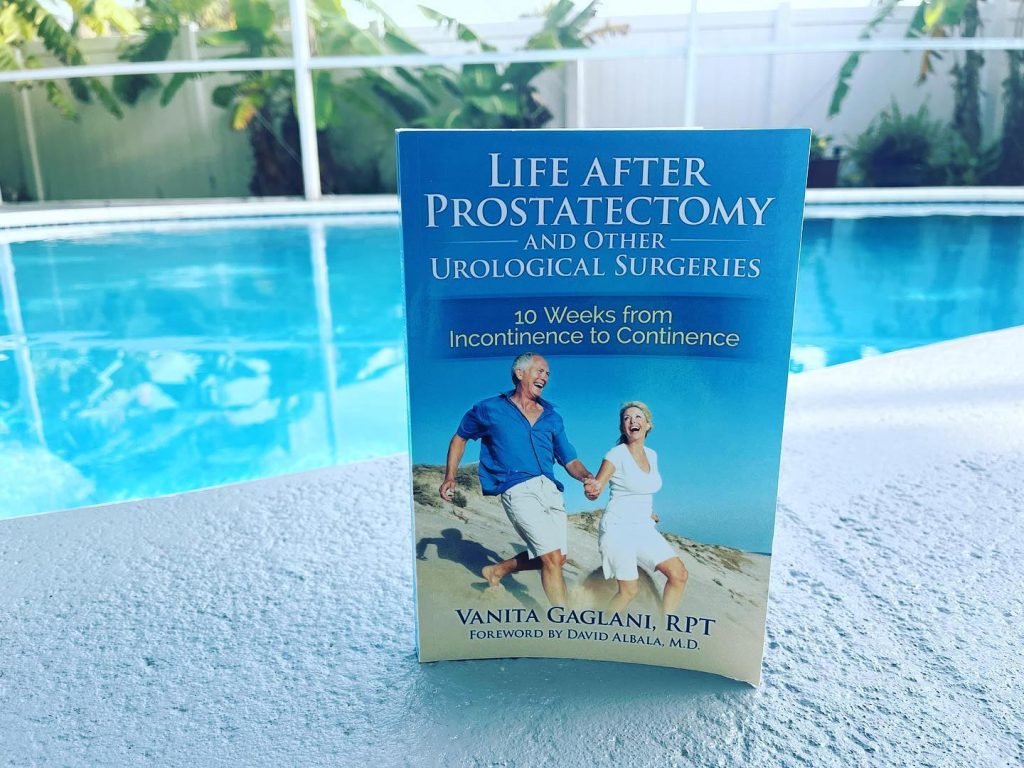
Vanita wrote the book, Life after Prostatectomy and Other Urological Surgeries: 10 Weeks from Incontinence to Continence, which is available on Amazon and has helped thousands of patients and their loved ones learn how to overcome incontinence & leakage. In order to help even more people, she is working on follow-up books as well as a video series that explains her treatment methods.