
Urinary leakage after prostate cancer treatment, TURP (Transurethral Resection of the Prostate), or bladder cancer surgery is a common and often distressing condition for many men. While these procedures are lifesaving and necessary, they can sometimes affect the muscles and nerves responsible for bladder control.
Many men experience urinary incontinence after prostate surgery, which may include uncontrolled leakage, dribbling, or difficulty sensing the urge to urinate. These symptoms can interfere with daily life, create embarrassment, and lead to anxiety about leaving home or participating in social activities.
The good news is that effective treatment options are available. Through targeted therapy and specialized bladder rehabilitation programs, many men can significantly improve bladder control and regain confidence.

These concerns often cause patients to limit social interactions and avoid activities they once enjoyed.
Urinary leakage following prostate or bladder surgery can occur for several reasons. Identifying the cause is the first step toward effective treatment. Common causes include:
Because multiple factors may contribute to urinary leakage, treatment typically requires a comprehensive and personalized approach.
Our program focuses on identifying the cause of bladder leakage and restoring proper bladder and pelvic floor function through non-surgical therapy and rehabilitation.
The first step involves a detailed evaluation to determine why leakage is occurring. This assessment may include reviewing pelvic floor strength, bladder function, lifestyle habits, and possible irritants that may worsen symptoms.
Patients receive education on normal and abnormal urinary patterns. This includes understanding the anatomy and physiology of the bladder, prostate, pelvic floor muscles, nerve supply, and the entire urinary system. Learning how the bladder works can help patients regain control and make better lifestyle decisions that support recovery.
Every patient receives a personalized plan designed to reduce urinary leakage, strengthen bladder support muscles, and restore proper urinary function.
Our treatment programs use multiple evidence-based therapies to improve bladder control and reduce leakage.
Pelvic floor muscles play a key role in bladder control. Strengthening these muscles through targeted therapy can significantly reduce urinary leakage.
Electrical stimulation may be used to activate weakened pelvic floor muscles and restore proper bladder control signals.
Biofeedback technology helps patients learn how to correctly engage pelvic floor muscles by providing real-time visual feedback during therapy sessions.
Certain foods and beverages can irritate the bladder and worsen symptoms. Nutritional guidance helps patients avoid triggers while maintaining healthy hydration.
Bladder training techniques help improve the ability to hold urine, increase bladder capacity, and restore normal voiding patterns.
Improving posture, movement patterns, and muscle coordination can support pelvic floor function and reduce leakage during everyday activities.
The ultimate goal of treatment is to help men return to a healthy, active lifestyle without constantly worrying about urinary leakage. Successful treatment allows patients to:
Patients can experience a significant improvement in confidence and independence once bladder control begins to return.
Our bladder rehabilitation services are available nationally, with a strong focus on men seeking treatment across Florida. Patients from cities such as Miami, Tampa, Orlando, Jacksonville, Fort Lauderdale, Naples, Sarasota, and West Palm Beach often seek specialized programs that address the root cause of post-surgical urinary leakage.
Through proper evaluation and personalized therapy programs, many men can restore bladder control and improve their quality of life.
Yes. Many men experience temporary or persistent urinary incontinence after prostate surgery, including prostate cancer treatment or TURP procedures. It is one of the most common side effects of these surgeries, but it is also very treatable.
Recovery varies from patient to patient. Some men improve within weeks, while others may need targeted therapy for several months to restore bladder control. Starting treatment early can help speed up recovery.
Yes. Pelvic floor therapy is one of the most effective non-surgical treatments for improving bladder control after prostate surgery. Strengthening and retraining the pelvic floor muscles can significantly reduce leakage.
Pelvic floor muscles support the bladder and help control urination. When these muscles are weakened or damaged during surgery, urinary leakage may occur. Targeted therapy can help rebuild their strength and coordination.
Surgery can sometimes affect the nerve signals that communicate bladder fullness to the brain. Therapy and rehabilitation programs can help restore these signals over time.
Yes. Proper hydration is essential for bladder health. Reducing fluid intake may seem helpful, but it can actually lead to dehydration and increase the risk of urinary tract infections. Staying hydrated, combined with bladder training, is an important part of recovery.
Not necessarily. While pads or diapers may be needed temporarily after surgery, treatment programs are designed to reduce or eliminate the need for these products over time.
If leakage continues after surgery or begins affecting your quality of life, it is important to seek evaluation from a specialist who treats male urinary incontinence. Earlier treatment tends to lead to better outcomes.
Yes. Many men improve significantly with pelvic floor therapy, bladder training, electrical stimulation, and lifestyle adjustments — no additional surgery required.
In many cases, symptoms can be significantly improved or fully resolved with proper treatment and bladder rehabilitation. Results vary depending on the individual, but most men who pursue treatment see meaningful improvement.
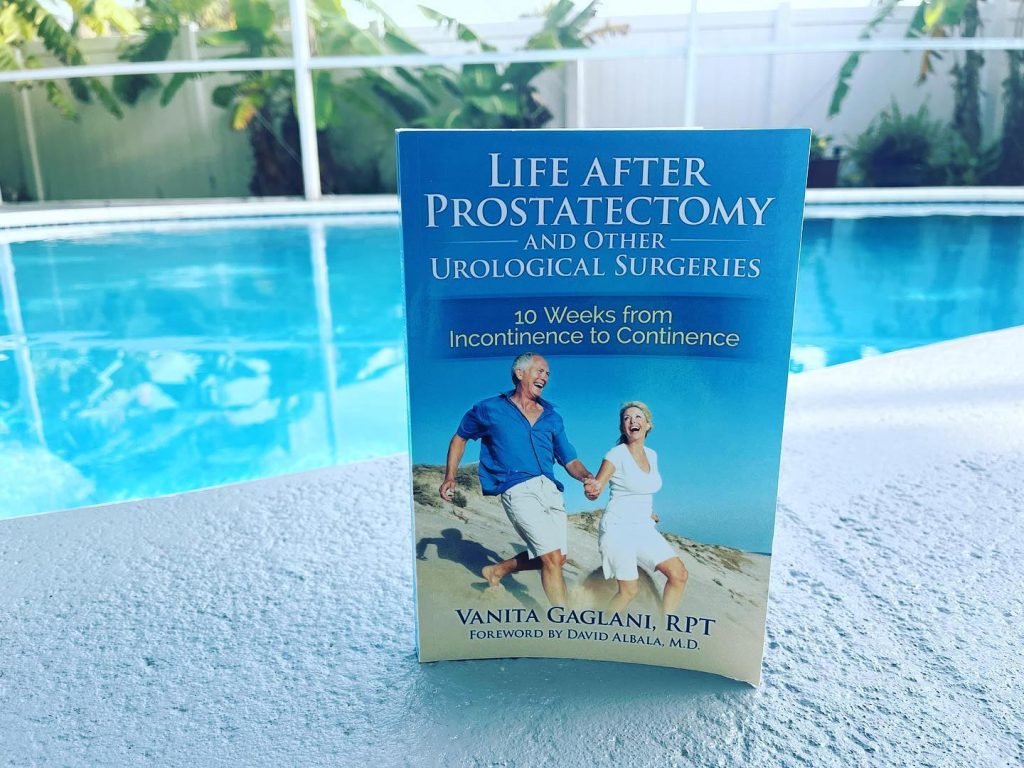
Vanita wrote the book, Life after Prostatectomy and Other Urological Surgeries: 10 Weeks from Incontinence to Continence, which is available on Amazon and has helped thousands of patients and their loved ones learn how to overcome incontinence & leakage. In order to help even more people, she is working on follow-up books as well as a video series that explains her treatment methods.