
Pelvic pain refers to discomfort or pain felt in the lower abdomen and pelvic region in women. The pain may present as sharp, stabbing, burning, aching, or pressure-like sensations, and it can occur either at rest or during physical activity.
Pelvic pain can be acute (sudden onset) or chronic (lasting more than three to six months). Because the pelvic region contains many organs, muscles, nerves, and connective tissues, identifying the underlying cause often requires a comprehensive evaluation.
Effective pelvic pain treatment requires a comprehensive and individualized approach. The goal is to identify the underlying cause of pain and create a treatment plan that addresses both symptoms and contributing factors.

Effective pelvic pain treatment requires a comprehensive and individualized approach. The goal is to identify the underlying cause of pain and create a treatment plan that addresses both symptoms and contributing factors.
Each patient undergoes a thorough assessment to determine the source of pelvic discomfort. This evaluation helps identify whether symptoms are related to:
Once the cause is identified, a customized treatment plan is developed to reduce pain and restore normal pelvic function.
Women experiencing pelvic pain may have issues involving the reproductive organs, urinary system, digestive system, or pelvic floor muscles. The organs located within the pelvic region include:
Our treatment approach focuses on relieving pain, improving muscle function, and restoring normal daily activities.
Manual therapy techniques help release tension in the pelvic floor, abdomen, hips, and lower back muscles. These techniques improve blood circulation and reduce muscle tightness.
Trigger points are painful muscle knots that can develop within pelvic muscles. Treatment may include:
Electrical stimulation therapy helps improve muscle coordination and relax pelvic floor muscles that may be overly tight or weak.
Biofeedback allows patients to learn how to control and relax pelvic floor muscles, which can significantly reduce pelvic pain and urinary symptoms.
Diet can influence inflammation, bowel function, and bladder irritation. Nutritional recommendations may help reduce symptoms associated with pelvic pain.
Specialized exercises help relax the pelvic floor muscles (PFM) and restore proper muscle coordination.
Treatment may also include:
The primary goals of treatment are to:
With proper evaluation and treatment, many women experience significant improvement in pelvic pain and overall pelvic health.
Chronic pelvic pain is pain in the lower abdomen or pelvic region that lasts for three months or longer. It can have many causes, including pelvic floor muscle dysfunction, reproductive organ disorders, bladder issues, or digestive problems. A thorough evaluation is needed to identify the source.
Pelvic pain can stem from a variety of sources, including the uterus, ovaries, bladder, bowel, or pelvic floor muscles. Common contributing factors include endometriosis, interstitial cystitis, IBS, pelvic floor dysfunction, and musculoskeletal imbalances.
Yes. When the pelvic floor muscles are too tight, too weak, or poorly coordinated, they can cause or contribute to pelvic pain, painful intercourse, urinary symptoms, and bowel problems. Pelvic floor therapy is often very effective in addressing these issues.
Dyspareunia is the medical term for painful intercourse. It is a common symptom associated with pelvic pain and can result from pelvic floor muscle tension, inflammation, or other underlying conditions. Treatment can help reduce or eliminate this discomfort.
Treatment is individualized and may include manual therapy, trigger point release, electrical stimulation, biofeedback, pelvic floor exercises, nutritional guidance, and behavioral strategies. The goal is to address the root cause of pain and restore normal function.
Trigger point therapy targets tight, painful knots within the pelvic muscles. Treatment can be performed internally (vaginally or rectally) or externally, depending on the patient’s needs. It helps release muscle spasms and reduce chronic pelvic pain.
Results vary depending on the severity and duration of symptoms. Many women notice improvement within several weeks of beginning treatment, while chronic or complex cases may require a longer course of therapy.
No. Pelvic pain is a treatable condition. With a proper evaluation and a personalized treatment plan, many women experience significant and lasting relief. Seeking help early can lead to better outcomes.
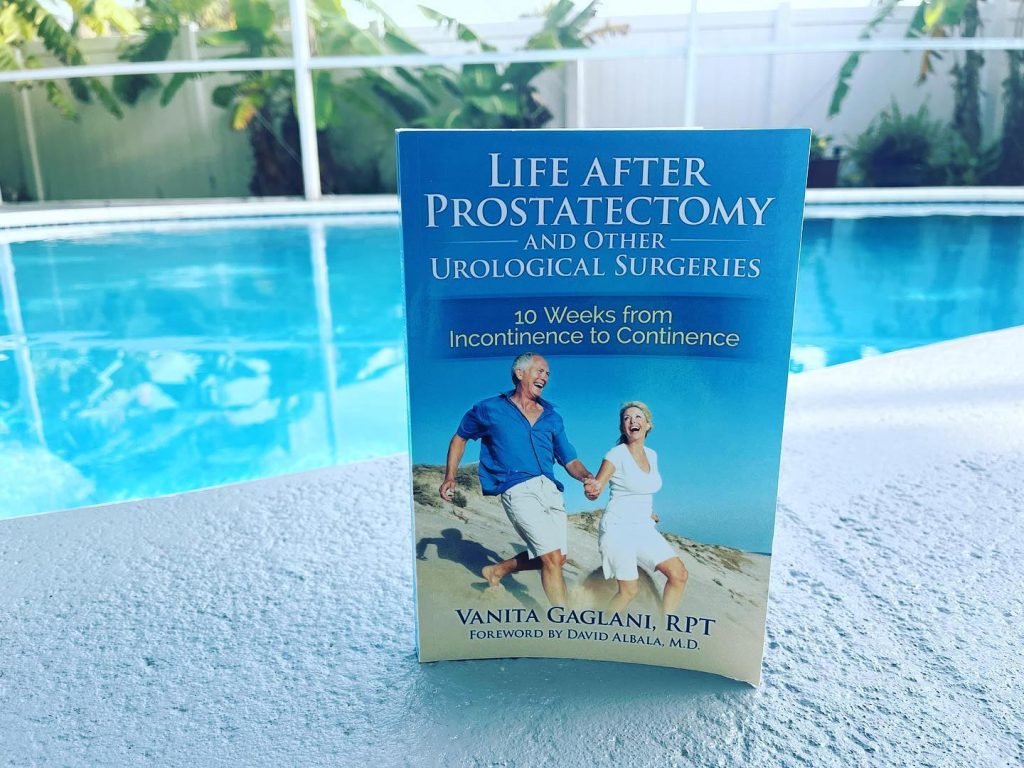
Vanita wrote the book, Life after Prostatectomy and Other Urological Surgeries: 10 Weeks from Incontinence to Continence, which is available on Amazon and has helped thousands of patients and their loved ones learn how to overcome incontinence & leakage. In order to help even more people, she is working on follow-up books as well as a video series that explains her treatment methods.